We hear a version of the same hesitation from a lot of tenants: "why would I sink money into a space I don't own?" It's a fair question — and it's also based on a misunderstanding that keeps a lot of restaurants, offices, and retail spaces looking dated far longer than they should. Most of what you'd install to update your space isn't a gift to your landlord. It's called a trade fixture, and it's yours.
What a Trade Fixture Actually Is
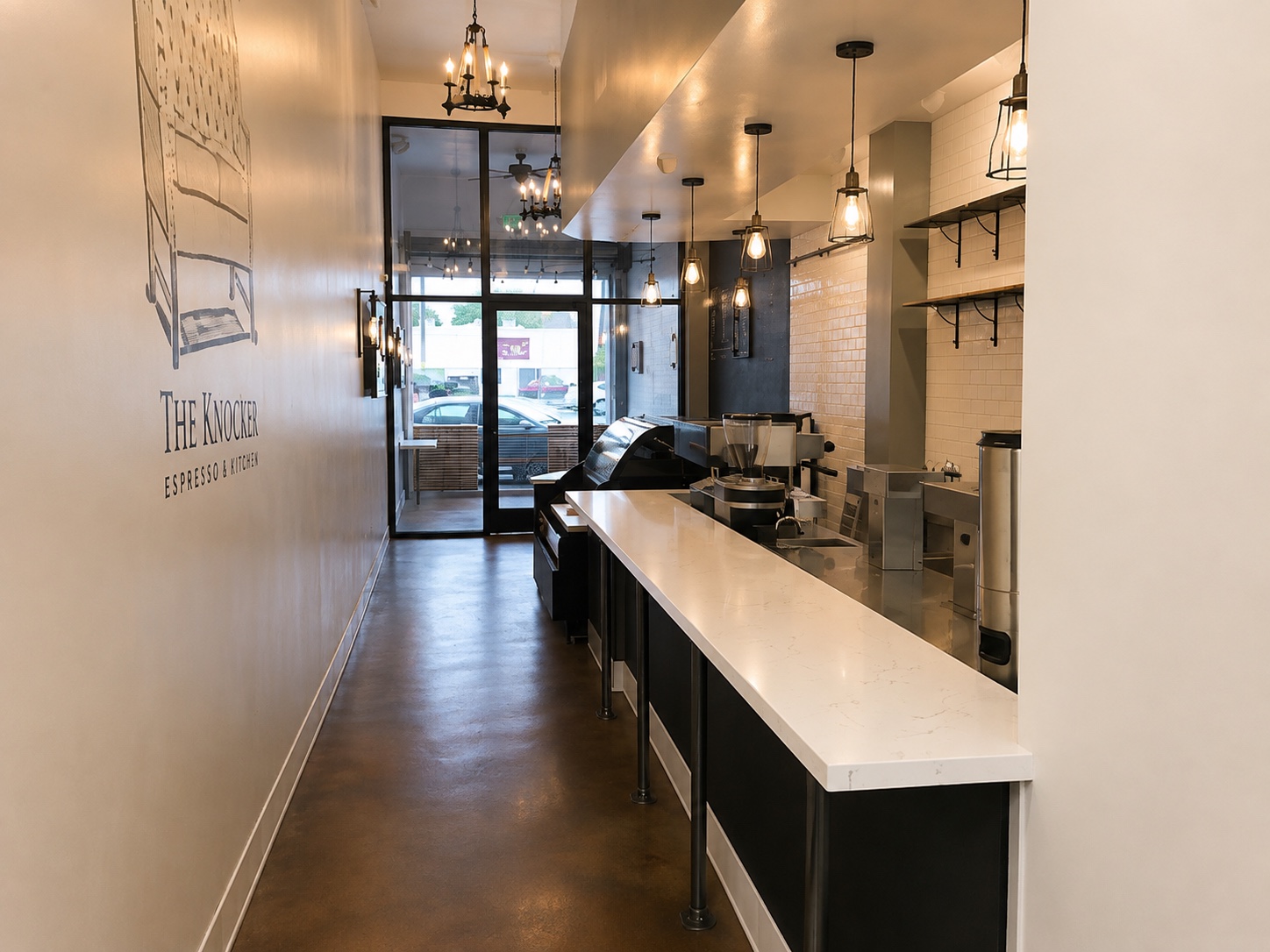
A trade fixture is something a tenant installs specifically to run their business — espresso machines and bar equipment, walk-in coolers, millwork built as modular casework, shelving, signage, specialty counters. Even though these items are physically attached to a leased space, the law generally treats them as the tenant's personal property, not part of the building — because they were installed to serve your trade, not to permanently improve the landlord's real estate.
That distinction matters more than most tenants realize. It means the money you spend on the right fixtures isn't disappearing into a building you'll walk away from — it's an asset you own, full stop.
Trade Fixture vs. Permanent Improvement
Not everything installed in a leased space works the same way. The general dividing line is whether the item serves your business and can reasonably be removed, or whether it becomes part of the structure itself.
| Trade Fixture (usually yours) | Permanent Improvement (usually stays) |
|---|---|
| Espresso machines, ovens, walk-in coolers | New flooring poured or adhered to the slab |
| Shelving, casework, modular counters | Structural or load-bearing walls |
| Signage and branded fixtures | Plumbing and electrical rough-in |
| Point-of-sale systems, security equipment | HVAC systems tied to the building |
In practice, most build-outs are a mix of both — you're leasing a shell that needs real infrastructure work (which typically stays with the property) alongside the equipment and fixtures that make the space yours (which typically leaves with you).
Why This Should Change How You Think About Updating Your Space
If a dated shelving system, worn-out counter, or outdated bar setup has been sitting on your "someday" list because it "isn't your building," it's worth revisiting that math. The fixtures themselves are portable business assets. If you relocate down the road, well-built casework, equipment, and fixtures can often move with you — reducing what you'd need to spend building out the next location from scratch.
Practical tip: Ask your contractor to design fixtures — shelving, bars, casework — as modular, removable installations wherever it doesn't compromise function. It's often not much more expensive than a permanent build, and it preserves your ability to take it with you.
Check Your Lease Before You Assume
Trade fixture removal rights are the general rule, but your specific lease can modify them — some leases spell out what happens to fixtures at move-out, require landlord approval for certain installations, or hold the tenant responsible for repairing the space after removal. Before a build-out, it's worth reading that section of your lease or asking your attorney, so you know exactly what you're working with.
This article is general information about how trade fixtures are commonly treated, not legal advice. Lease terms vary, and you should review your specific lease or consult an attorney for guidance on your situation.
Where We Fit In
When we build out a commercial space, we design and build the fixtures knowing which category they need to fall into — modular and removable where that serves you, integrated where the space requires it. That's part of getting real value out of a tenant improvement project instead of just spending money and hoping it works out.
Updating Your Space?
Free on-site assessment. We'll walk your space and talk through what makes sense to build as a trade fixture versus a permanent improvement.
Request a Free Estimate →